Creating Trendy Landscape Designs Using Lightweight Concrete Pots

If you’re looking for a way to add some stylish flair to your landscaping, consider using lightweight concrete pots. You can find these pots in a variety of sizes, shapes, and colors, which means they’re easy to customize to your own personal taste. Plus, they’re much lighter than traditional concrete pots, so they’re easy to move around if you need to change your landscape design.

Lightweight concrete pots are a great way to add some personality to your outdoor space. Whether you use them to display vibrant flowers or elegant succulents, they’ll definitely make a statement. And since they come in such a wide range of styles, you’re sure to find the perfect pot for your home.

Florence Tall Round Bolla Concrete Planters

Concrete Pots are Normally Heavy

Concrete is a very strong and sturdy material. It’s often used in construction projects because it can withstand a lot of weight and pressure. However, concrete is also very heavy, which can make it difficult to use in some applications. On the bright side, concrete pots can be made lightweight while retaining their sturdiness. Lightweight concrete planters are made with a mixture of cement, sand, and lightweight aggregates such as expanded clay, shale, or slate. This results in a pot that is not only strong and long-lasting but also significantly lighter in weight, making it easier to move and reposition.

In the past, moving heavy concrete pots has been a problem for landscapers who wanted to create trendy designs. The pots were simply too heavy to move around easily, which made it tough to create the type of dynamic and stylish design that many homeowners are now looking for.

Different Varieties of Lightweight Concrete Pots

In addition to their practical benefits, lightweight concrete pots also offer a range of aesthetic options. They can be molded into various shapes and sizes to suit different design needs, and their neutral color palette allows them to blend seamlessly with any landscape. They can also be finished with various textures and colors. Some lightweight concrete planters have a weathered concrete finish while having a rough sand texture.

Incorporating Lightweight Concrete Pots in Landscape Architecture

Lightweight concrete pots are an excellent way to add visual interest to any landscape design. They are durable and long-lasting, hence they will continue to look great for years to come.

Choosing the Right Size and Shape

When it comes to using lightweight concrete pots in landscape architecture, there are several key factors to consider. First, it’s important to choose pots that are the right size and shape for the space. Oversized pots can overwhelm a small space, while too-small pots can look lost in a larger area. It’s also important to consider the weight of the pots, especially if they will be placed on a balcony or rooftop garden.

Proper Placements and Choosing the Right Plants

When designing, another important factor to consider is the type of plants that will be placed in the pots. Lightweight concrete pots are well-suited for many plants, from small herbs and succulents to small trees and shrubs. However, it’s important to choose appropriate plants for the amount of sunlight, water, and drainage the pots will receive. Overwatering or insufficient drainage can cause problems for both the plants and the pots.

In terms of placement, lightweight concrete pots can be used in both indoor and outdoor spaces. When used indoors, they can add a touch of greenery to living spaces, offices, and other areas. Outdoors, these planters can be used to create focal points in gardens, patios, and other outdoor areas. They can also be used to create a sense of enclosure or separation in outdoor spaces. You can group pots together to create a “green wall” effect.

Overall, lightweight concrete pots are a versatile and durable choice for indoor and outdoor landscape architecture. They offer a range of aesthetic options and are well-suited for a wide range of plants, making them a popular choice for both residential and commercial spaces.

This article was originally published on:
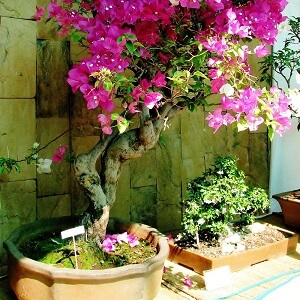
Growing Bougainvillea in Pots? Just Beautiful!

Larger-than-usual sized pots are perfect for your bougainvillea at home

Looking for the most effervescent climbing, flowering plant to grow in a pot? Bougainvillea in pots are definitely what you are looking for. This colourful plant which originated in South America can very well thrive everywhere in Australia. It did come originally from subtropical regions. However, there are numerous hardy bougainvillea varieties that can thrive in areas with cold weather.  The beauty of the bougainvillea plant however, is not its flower. Although of course most people will most likely say that. But that is mainly because there is a bit of a confusion. The colourful part of this plant is not actually its flower but rather its bracts. Bougainvillea bracts are the modified leaves surrounding the tiny little, almost unnoticeable flower.

Growing and Care

All bougainvillea plant species have thorns which could probably be a deal breaker for some novice gardeners. It however depends on what the gardener has in mind. For example, if you want to cover up a tall boring porch or fence beautifully, watering and fertilising it regularly will easily do the trick for you in less time than you have imagined.  If you, on the other hand, want colourful plants to grow in a pot to liven up your open garden or courtyard, bougainvillea in pots are a choice you will not regret going for. After a year, when the bougainvillea plant grows into an ideally-sized plant for your purpose, you should stop watering it. It doesn’t need fertilisers either because slowing down its growth is the key to them giving you more flowers.

Growing bougainvillea in pots is the way to tame them. Its roots lose the ability to expand giving the plant a shrub-like characteristic. For a beautiful trailing effect, bougainvillea can also be grown in hanging pots and planters around your house or garden. This full-coloured plant can give off a tropical air in the area you place them in especially that they stay bright and colourful all throughout the hot summer season. Want another big plus? Not only does this amazing plant come in various different colours, there is actually a variety that features two different bract colours, and yes, in one plant only. Now isn’t bougainvillea such a beauty?

"It's the bract, not the flower" may be a common trivia item you can share with your guests at home when they stop and appreciate your bougainvillea in pots

Using Concrete Pots

Growing Bougainvillea in concrete pots is also a good idea. These pots offer a sturdy and long-lasting solution for cultivating these vibrant flowering plants, providing an ideal backdrop for the striking bracts to take center stage. When selecting a concrete pot, it’s crucial to ensure that it has adequate drainage to prevent waterlogging of the roots. Additionally, choosing the right-sized pot according to the plant’s growth is crucial, as Bougainvillea can become quite large when given proper care and conditions. By properly caring for your Bougainvillea in a concrete pot, you can enjoy a display of stunning color and beauty for years to come.

In Summary

In conclusion, growing Bougainvillea in pots is a fantastic option for anyone looking to add a pop of color to their outdoor space. This tropical plant is known for its vibrant bracts, which are the true show-stoppers of the plant, not the flowers themselves. When grown in concrete pots, Bougainvillea can be tamed, taking on a shrub-like form and providing a stunning display of color all summer long. By selecting the right-sized pot with proper drainage and caring for your Bougainvillea with regular watering and fertilizing, you can enjoy a long-lasting display of beauty in your garden or outdoor space. So why not bring a touch of the tropics to your home and try growing Bougainvillea in pots today!

This post was originally from:

Green Roofs and Living Walls Around the World

Green roofs and living walls are a magnificent way to incorporate nature into the urban landscape. As cities grow, these sustainable features have become an important aspect of the fight against climate change. With their breathtaking beauty and numerous benefits, it’s no wonder why green roofs and living walls are becoming more popular.

Here are some of the most famous green roofs and living walls around the world.

High Line in New York City

Take a stroll through the High Line in New York City and you’ll see why it’s a popular greenway. Built on an abandoned elevated railway, this greenway boasts an array of plants, including grasses, wildflowers, and shrubs. Tourists and locals alike flock to this urban oasis.

High Line in New York City - Living Walls

Garden at 120

In Chicago, the Garden at 120 is a stunning green roof that covers an entire city block. With over 100,000 plants, including trees, shrubs, and grasses, it’s a hub for outdoor events and gatherings.

Sky Garden

In London, the Sky Garden is a living wall located at the top of the iconic “Walkie Talkie” building. With over 30,000 plants, including ferns, shrubs, and flowers, it offers breathtaking views of the city.

Green Wall of China

In Guiyang, China, the Green Wall of China is the longest-living wall in the world. It covers over 4,000 square meters and is made up of a variety of plants, including flowers, grasses, and shrubs.

Green Wall at the Hotel de Ville

Finally, the Green Wall at the Hotel de Ville in Paris is a magnificent living wall that covers the entire facade of the city hall. With over 15,000 plants, including flowers, grasses, and shrubs, it adds a stunning element to the iconic building.

Conclusion

These different projects highlight innovative and sustainable features. They bring greenery and nature into urban environments.

Green roofs and living walls have numerous environmental and health benefits, such as reducing air pollution, conserving energy, and providing habitat for wildlife. These famous examples of green roofs and living walls around the world showcase the creativity and diversity possible with these features. They serve not only as an inspiration for future projects but also as a testament to the importance of incorporating sustainable design into the built environment.

As cities continue to grow and urbanize, green roofs and living walls have the potential to play a crucial role in creating healthier and more livable spaces for communities. They are a reminder of the importance of thinking creatively about sustainable landscape design and the positive impact it can have on the environment and human health. These features have the power to create a greener, more sustainable future for all of us.

Article was originally from:

Concrete Planter Boxes: A Necessity For Public Spaces

Concrete planter boxes can be a valuable addition to the landscape architecture of public spaces. These sturdy and versatile structures can be used to add greenery and natural beauty to otherwise dull and lifeless urban environments. Not only do planter boxes improve the aesthetic of a space, but they can also provide important environmental benefits, such as increased air quality and habitat for local wildlife.

concrete planter boxes

Durability

One of the key advantages of using concrete planter boxes in public spaces is their durability. Concrete is a strong and long-lasting material that can withstand the wear and tear of heavy foot traffic, harsh weather conditions, and other forms of abuse.  This makes concrete planter boxes an excellent choice for high-traffic areas, such as parks, sidewalks, and plazas. In contrast, planter boxes made from other materials, such as wood or plastic, may not be able to withstand the same level of use and may require frequent repairs or replacements.

Versatility

Another benefit of concrete planter boxes is their versatility. These structures can be designed and customized to fit a wide range of spaces and styles. They can be made in a variety of shapes, sizes, and colors to suit the specific needs and preferences of a given location. For example, tall and narrow planter boxes can be used to create a visual barrier or division between different areas of public space, while shorter and wider planter boxes can be used to add a touch of greenery to a seating area or gathering space.

Low Maintenance

Concrete planter boxes are a low-maintenance option for public spaces, requiring minimal upkeep and maintenance over time. This makes them a cost-effective and practical choice for any public space looking to add greenery without the added burden of regular maintenance. Unlike wooden or other types of planters, concrete planters do not rot, warp or require regular painting. They are non-porous and resistant to pests and insects, which means that they do not require sealing, treatment, or regular cleaning. 

Environmental Benefits

In addition to their aesthetic and functional benefits, concrete planter boxes can also provide important environmental benefits. By providing a space for plants to grow, planter boxes can help to increase the amount of vegetation in an urban area. This, in turn, can improve air quality by increasing the amount of oxygen in the air and removing pollutants. Additionally, planter boxes can provide habitat for local wildlife, such as birds and insects, helping to support biodiversity in urban environments.

One way to maximize the benefits of concrete planter boxes is to incorporate them into a larger green infrastructure plan. This can involve designing and implementing a network of interconnected planter boxes, green roofs, and other green spaces that work together to improve the overall health and vitality of public space. By carefully planning and coordinating the placement and design of these structures, it is possible to create a cohesive and functional green space that provides numerous benefits to the community.

Conclusion

In conclusion, concrete planter boxes can be an effective way to improve the landscape architecture of public spaces. These durable and versatile structures can add beauty and greenery to urban environments, while also providing important environmental benefits. By incorporating concrete planter boxes into a larger green infrastructure plan, it is possible to create public spaces that are more livable, sustainable, and enjoyable for all.

This article was originally posted on:

Landscape Architecture Trends for 2023: Where Are We Going?

Landscape architecture is a field that is constantly evolving, with new trends and techniques emerging every year. In recent years, there has been a shift toward designs that prioritize sustainability, accessibility, and community engagement.

The following are the key trends in landscape architecture for 2023:

Green Infrastructure

Green Infrastructure for Landscape Architecture Trends

Landscape architects are increasingly incorporating green infrastructure elements, such as rain gardens and green roofs, into their designs to create more sustainable and resilient communities. Green infrastructure refers to the use of natural systems and processes, such as plants and soil, to manage and conserve water, reduce pollution, and provide other environmental benefits.

Blending of Indoor and Outdoor

Landscape architects are working to create outdoor spaces that are welcoming and accessible to people of all ages, abilities, and backgrounds. This can involve designing pathways and seating areas that are wheelchair-accessible, incorporating sensory elements to engage people with disabilities, and using universal design principles to create spaces that are welcoming and inclusive for all.

Community Engagement

During the design phase, landscape architects are closely collaborating with local communities to make sure their requirements and preferences are taken into account. This can involve conducting surveys, hosting workshops and designing charrettes, and working with community groups and organizations to create spaces that reflect the unique character and culture of the area.

Use of Technology

Landscape architects are increasingly using data analytics and other technological tools to gather information about how spaces are used and to make informed design decisions based on this data. For example, they may use sensor technology to track foot traffic patterns or use social media and other online platforms to gather feedback from users.

Health and Wellness

Landscape design is increasingly being used as a way to promote health and wellness. This includes the incorporation of features such as walking and biking trails, as well as the use of plants and other elements that have been shown to have positive impacts on mental health.

Conclusion

Overall, landscape architecture is an ever-changing and evolving field that will continue to evolve as trends come and go. The current landscape architecture trends are focused on making landscapes more inviting, enjoyable, sustainable, and functional for the communities where they exist. By paying close attention to what is trending now and identifying where we should be headed, we can help create dynamic outdoor spaces that bring people together.

This article was originally posted on:

Brighten Up Your Outdoor Space with These Rectangular Planter Boxes

Tired of a dull and lifeless outdoor space? Don’t worry! You can instantly add life and color to your outdoor area with these easy-to-make rectangular planter boxes. Not only will they bring some vibrant hues to your garden, but they can also help you organize smaller plants and flowers, making it easier to maintain them. Whether you want to create a mini-garden on your patio or simply want to adorn a window sill with potted blooms, these rectangular planter boxes are sure to be a perfect choice. So, let’s get started on this fun DIY backyard project!

Alaska White GRC Trough

The Benefits of Rectangular Planter Boxes

There are many benefits of using rectangular planter boxes in your outdoor space. For one, they add a touch of elegance and sophistication. They can also be used to create a focal point in your garden or patio area. Additionally, rectangular planter boxes are very versatile and can be used in a variety of ways.

One of the most popular benefits of using rectangular planter boxes is that they can help you create a beautiful and stylish garden. You can use them to plant various types of flowers, herbs, and vegetables. Rectangular planter boxes can also be used to create a border around your garden or patio area. This will help to define the space and make it more inviting.

Another great benefit of using rectangular planter boxes is that they are very easy to maintain. Unlike other types of planters, they do not require much watering or fertilizing. Additionally, they are very durable and will last for many years with proper care.

The Different Styles of Rectangular Planter Boxes

There are many different styles of rectangular planter boxes to choose from when you are looking to brighten up your outdoor space. You can find them made from a variety of materials, including wood, plastic, metal, and even concrete. They come in a wide range of sizes, so you can find one that fits perfectly in your space. And, they come in a variety of colors and finishes, so you can find one that coordinates with your existing outdoor décor.

When it comes to choosing the right rectangular planter box for your needs, there are a few things to keep in mind. First, think about the material you want the box to be made from. Wood is a popular choice because it is classic and timeless. However, it requires more maintenance than other materials like plastic or metal. If you don’t want to worry about maintaining your planter box, choose one made from a low-maintenance material like plastic or metal.

Next, think about the size of the planter box you need. Measure the area where you want to place the box and make sure to leave enough room for plants to grow. Choose a size that is proportional to the space you have available.

Finally, consider the style of the rectangular planter box. Do you want a traditional look or something more modern? There are many different styles available on the market today so take some time to browse until you find one that fits your personal taste and style.

The Best Plants for Your Rectangular Planter Box

When it comes to outfitting your rectangular planter box, there are a few things to keep in mind. The first is the size of your box – make sure to choose plants that won’t overcrowd or overgrow your space. The second is the amount of sunlight your box will receive – be sure to select plants that can thrive in the conditions you’re able to provide. With those factors in mind, here are a few of our favorite plants for rectangular planter boxes:

For a low-maintenance option, succulents are a great choice. These drought-resistant plants come in a wide variety of shapes and sizes, so you can easily find ones that will fit in your planter box. If you’re looking for something with more color, impatiens are a good option. These flowers come in many different hues and bloom profusely, making them perfect for adding some brightness to your outdoor space.

If you have a bit more room in your planter box, consider adding some greenery with ferns or hostas. Both of these plants prefer shady conditions, making them ideal for areas that don’t receive direct sunlight. For something with a bit more height, try planting bamboo – just be sure to choose a species that’s appropriate for your region, as some types can become invasive.

No matter what type of plants you choose, be sure to give them enough room to

How to Care for Your Rectangular Planter Box

Assuming you have already assembled your rectangular planter box, here are a few tips on how to care for it:

– water regularly, at least once a week or more if it is particularly hot or dry outside
– fertilize every few weeks with a water-soluble fertilizer
– if plants start to look unhealthy, check for pests and diseases and take appropriate action
– deadhead (remove dead flowers) and trim back any overgrown plants to keep the planter looking neat

With proper care, your rectangular planter box will provide years of enjoyment!

Conclusion

Rectangular planter boxes are a great way to add some personality and vibrancy to your outdoor space without breaking the bank. With so many styles, designs, and color options available, there is sure to be an option that is perfect for you. Whether you’re looking for something rustic or modern, bright and vibrant, or subtle and understated – these unique planters can easily create an inviting area in your yard where everyone will want to gather. So why not take the plunge today? Start sprucing up your outdoor space with one of our amazing rectangular planter boxes!

Are Lightweight Garden Pots the Right Choice for Your Landscape?

Light Planters

How To Find The Perfect Lightweight Garden Pots For Your Landscape

When it comes to finding the perfect lightweight garden pots for your landscape, there are a few things you need to take into consideration. The first is the size of the pot. You need to ensure that the pot is big enough to accommodate the plants you want to put in it but not so big that it becomes bulky and difficult to move around.

Next, you need to consider the material the pot is made from. Garden pots come in various materials, such as plastic, clay, metal, and wood. Each material has advantages and disadvantages, so you’ll need to decide which will work best for your particular needs.

Finally, you need to think about the price. Garden pots can range in price from very affordable to quite expensive. It all depends on the size and material of the pot. If you’re on a budget, you can find some great deals on lightweight garden pots that are also durable and aesthetically pleasing. 

What are Good Materials for Making Lightweight Pots?

There are a variety of good materials that can be used for making garden pots including plastic, metal, ceramic, and wood. Each material has its own advantages and disadvantages. For lightweight options, plastic and fiberglass are the common options.

Plastic

Plastic is a very popular material for making lightweight garden pots because it is extremely durable and easy to clean. Additionally, plastic pots are often very inexpensive.

Fiberglass

Fiberglass is another popular option for lightweight garden pots because it is durable and easy to clean. Additionally, fiberglass pots usually have a very sleek and modern appearance.

How to Choose the Right Size Pot for Your Needs?

When choosing the right size pot for your landscaping needs, there are a few things you’ll want to keep in mind. First, consider the size of your plants. You’ll need a pot that’s large enough to accommodate their root system but not so large that it becomes unwieldy or difficult to move around.

Second, think about how much sun and shade your plants will need. If they’re going to be in full sun all day, you’ll need a bigger one that can hold more moisture. On the other hand, if they’ll be in mostly shade, you can get away with a smaller pot. In all instances, pots should have good drainage.

Lastly, You’ll want to ensure that the pot is big enough for the plant to grow but not so big that it takes up too much space in your landscape. 

With these factors in mind, you should be able to narrow down your options and find the best lightweight planters for your needs!

Conclusion

Finding the ideal garden pots for your landscape can be tough with so many market options. You just need to find one that is suitable for your needs. You can also check out the range of lightweight planters. Happy potting!

Article originally from:

Tips for Using Concrete Planters for Your Next Design Project

Concrete planters have cemented their place in the landscape and interior design spheres. Pun intended. They are a great option since they are both durable and aesthetically pleasing. They can be used both indoors and outdoors.

What are Concrete Planters?

In a nutshell, these planters are made of concrete, often reinforced with some other material. Concrete planters are an excellent option for adding that oomph to your design especially if you want something that can withstand the elements. Concrete planters come in various shapes and sizes and are available in multiple finishes. It can be polished or textured.

Concrete planters in Shopping Center
concrete planters at kova coffee and post office

They are also easy to install and can be fitted directly into the ground. Specialized concrete planters can both be durable and lightweight. They’re easy to move around when you need to make room for another plant yet be durable enough to withstand the elements and be used in commercial areas that get a lot of foot traffic.

Benefits of Using Concrete Planters

We’ve already established that concrete planters are ideal for both indoor and outdoor use. They’re made with durable, waterproof material and they are easy to clean—all qualities that make them great for outdoor use. 

Being lightweight, you can easily and quickly move them around using a dolly.

They can be used to grow almost any indoor plant, so they’re perfect for apartment dwellers and those who want to start a small landscape on their balcony or terrace.

Tips for Using Concrete Planters

There isn’t much to take note of using these durable planters. Here are just some notable things you should be aware of if you want to use these types of planters:

  1. Always use the correct size planter. They should not be too small or too large.
  2. Ensure your soil is moist and well-drained before adding the plant to the pot.
  3. Keep plants in check. If they grow too high, it can be challenging to maintain proper water levels and nutrients.

Get Designing with Concrete Planters

It doesn’t matter if your outdoor space is small or large. Concrete planters offer an excellent, decorative solution to any area that needs some added flair. Whether you’re an apartment dweller looking to experiment with a new landscaping hobby or a landscape/interior designer, you can use concrete planters to spruce up your design.

In conclusion, concrete planters are a great way to add structure and interest to your next design project. With a little planning and creativity, you can use them to create unique and eye-catching designs that will impress your clients and set your business apart from the competition.

The article was originally from:

When to Use Fiberglass Planters in your Landscape

Fiberglass planters can be a great addition to any landscape project. They are made of glass that has been reinforced with plastic resin which is why we call them fiberglass. Fiberglass planters are known mostly for being durable and lightweight. They are suitable for many types of plant and come in various shapes and colors. They are suitable for many design themes and landscapes and there are plenty of reasons to use fiberglass planters in your landscape.

Large Manhattan Fiberglass Planters for Outside Parking Area

Use Fiberglass Planters to Complement a Contemporary Theme

Fiberglass planters are versatile because they can be painted in various colors but they really stand out in contemporary designs. The sleek lines and sturdy build of these planters can create a modern look that will complement the contemporary theme of your landscape or interior. For great effect, place the planters around areas where people congregate. 

Use Fiberglass Planters to Add Color

Fiberglass planters are a versatile addition to any landscape. They come in various colors, so you can easily add a pop of color to your landscape or interior. You can also use them to complement different themes. For example, you can use them to create a minimalistic look by using white fiberglass planters. Or you can lean towards natural colors for a rustic look.

Use Fiberglass Planters for Walkways

Fiberglass trough planters can make for an excellent path or walkway material. Troughs are ideal for creating walkways and trails in your landscape.Since fiberglass as a material is durable, it can be used in commercial areas that get a lot of foot traffic. 

Fiberglass Planters Are Easy to Maintain

Fiberglass is easy to clean and because it is lightweight, it won’t sink into the ground like other heavy planters. Just splashing it with water will do for cleaning. You may sometimes need to give it a wax polish to maintain the shiny finish and that’s about it.

These planters are watertight so you never have to worry about them leaking and drenching your pathways as long as you seal the drain holes. If you are going to seal drain holes though, you have to be sure you know what you’re doing because it can kill your plants.

To Grow Fresh Produce and Vegetables

Growing your own food has been popular ever since the pandemic hit. These planters are an excellent way to grow fresh produce and vegetables. They are lightweight, durable, and easy to move around, making them ideal for small spaces or areas with limited sunlight. They can also be used indoors, making them an excellent option for creating an indoor herb garden. 

To Grow Climbing Plants

Growing climbing plants is another way of using fiberglass planters in your landscape. This is a great way to add vertical interest to your landscape and create a privacy screen. You can choose from various climbers, including ivy, grapevines, wisteria, and clematis. Make sure to select a plant suitable for your area’s climate.

These planters are great for climbing plants because they are lightweight and easy to move around. You can place them wherever you want in your landscape, and the plants will have plenty of room to grow. 

There are many ways that you can use fiberglass planters in your landscape. Whether you want to add a pop of color or create a more modern look, these planters can get the job done. We hope this article has inspired you to try out some of these ideas for your next design.

Originally from:

How to Choose the Right Pots and Planters for Your Next Project?

When it comes to landscape design, one of the most important considerations is choosing the right pots and planters. There are many factors to consider when making this decision, including the type of plants you are using, the size of the space you are working with, and your personal aesthetic. Here are a few tips to help you choose the right pots and planters for your next landscape design project. 

  • What should you consider when choosing pots and planters? Material, size, shape, placement, cost, and so on. What type of environment is it meant for? Is it recyclable? Is there any other environmental impact it may have?
  • What irrigation and drainage strategies are available to you?
  • Knowing what plants or foliage will be planted in your space is essential.
  • Consider that the planter, as well as the plants, will both require general maintenance.

We’ll do a rundown of the factors you need to consider when choosing pots and planters for your project.

Placement

When choosing planters, the placement of the planters should be a major consideration. Will the planter be exposed to the elements? Is there a lot of foot traffic? Will it be positioned on soil, concrete, or perhaps a wooden deck? All these will affect your decision-making.

Planter Weight and Stability

Whether the planter will need to be moved periodically or remain stationary will affect your choice of material. If it needs to be portable, choose a planter made of lightweight material. Whatever you do, weight should always be considered.

Lightweight planters will eventually become heavy when filled with plants, soil, and water. Lightweight materials are better for elevated terraces or rooftops and if mobility is an important factor in the project. Heavier weight planters work best for focal points or places where planters don’t need to be moved around.

Naturally, heavier planters provide more stability than lighter planters. However, a low base-to-height ratio planter can still offer good stability when considering its weight.

Shape, Size, and Volume

A planter’s weight, shape, size, and volume determine whether a planter will stay stable. The more stable the planter is, the happier your plants will be. In addition to their size and plant capacity, planters must have the ability to hold a lot of water.

Here are some important notes:

  • Square pots offer the most stability.
  • Pot shape and size are essential to consider when planting a succulent. For example, a smaller container may tip over more quickly than a larger pot.

Porosity

Depending on the material’s intended use, porous planter material will absorb or repel water. Porous materials are susceptible to damage from freezing water, so it is important to know if the material is porous before you purchase.

Unless properly glazed, terra-cotta planters will soak up water. Similarly, wire baskets lined with absorbent material and pots made of porous materials (such as cement) will also pick up water if they have cracks. Clay pots lined with plastic solve this issue by making the planter resistant to water loss.

Any type of planter needs protection in winter. After cleaning and drying thoroughly, cover the planter with a plastic rain protector or take steps to make sure it’s not upside-down so that water won’t collect and freeze inside.

Drainage

One of the most important features of a planter is that it allows water to drain freely so that the roots in the soil get enough air. Few plants can grow in stagnant water, and wet soil can lead to root rot. Proper drainage is necessary to maintain planters in cold areas since frozen water can build up inside them. Freezing water can lead to cracks in the side of the planter or cause it to collapse completely, which means your decorative plants would tumble out onto the floor. This is very inconvenient and expensive, not to mention challenging to recover from.

Florence-trough-drainage-holes

It’s essential to ensure the drainage holes in your planter won’t be plugged by soil or debris. You can usually achieve this by pouring a layer of geofabric at the bottom of the planter, then covering it with an absorbent material before adding potting mix.

Irrigation

You also need to consider how water will be provided to the planters. Will you rely on rainfall alone, or will an irrigation strategy need to be put in place?

Three main methods for irrigation:

  1. Hand or manual method
    • Manual irrigation requires available labor and water.
  2. External irrigation system (drip or spray irrigation)
    • Some people use drip or spray irrigation systems. These are generally used outdoors, so you must have a leak-free and adequately installed plumbing system before you place the planters. It’s also important to consider the tubing size needed for your project and how it will be installed. Make sure to get this conversation out of the way with the planter manufacturer beforehand because you don’t want to risk placing an order without all the necessary arrangements.
  3. Self-watering irrigation system
    • A self-watering system is an excellent option for people unable to water their plants. These systems use the plant’s natural capillary action to draw water from a reservoir inside the plant container. Typically, the perforated tube protrudes through the surface of the soil and must be installed at the correct depth and fitted with a pot to work well. In outdoor applications, it may require some additional effort (monitoring rainfall levels) to keep reservoirs full of water.

Plant Type

Is the planter used for temporary displays of annuals, or is it a long-term display of perennials? When choosing a planter for annuals or plants with small roots, consider how much planting material is allowed per area on the planter. Generally, these plants do not have very many restrictions on the shape of the planter.

Environment Conditions

When selecting a planter, note your area’s climate and environmental factors. These might include the sun, wind, and freeze conditions.

Sun exposure or extreme heat can affect the longevity of your planter. If you’re experiencing too much sunlight, consider planters with UV-resistant materials. Certain materials, such as plastic, may not hold up in high temperatures, which can soften and sparks cracks from hot and cold fluctuations.

It’s important to consider the wind conditions when choosing a suitable planter. It can be challenging to get a light, narrow planter to stay upright when high winds are blowing in certain parts of town. Make sure the base is broader than your planter, so it doesn’t tip over – you don’t want your planter falling off a rooftop or balcony. 

Alternatively, if you’re looking for more stability, you could choose square, rectangular, or cylindrical-shaped planters. Consult with a structural engineer before using heavy containers on balconies and rooftops because some types of weight may not be approved for this purpose.

Conclusion

With so many factors to consider when choosing pots and planters for your landscape design project, it can be tough to know where to start. But armed with this knowledge, you should be able to find the perfect pot or planter for your needs. Remember. Consider the material, size, weight, and shape of your planters as well as drainage and irrigation. Also, consider the environmental conditions since some planter types are not appropriate for certain weather conditions.

Article was originally from:

Design a site like this with WordPress.com
Get started